

Article Overview:
Vehicle theft is rising across Canada, and certain makes and models are being targeted more than ever, leading to higher insurance costs and greater financial risk for drivers. This article explores the best anti theft devices for cars, explaining how each one works, which vehicles are most vulnerable, and how insurers apply theft surcharges based on risk. From advanced tracking systems like KYCS and TAG to practical physical deterrents such as steering wheel and brake pedal locks, you’ll learn which solutions offer the strongest protection and how the right device can help lower your premiums. Whether you drive a high-risk SUV or simply want added peace of mind, this guide shows how smart prevention can safeguard your vehicle and reduce long-term costs.
Table of Contents
Vehicle theft in Canada has surged over the past few years, with organized crime targeting specific makes and models for resale, export, or parts. For many drivers, theft risk has become one of the top concerns affecting both personal safety and insurance costs. Knowing how to protect your vehicle, and which devices insurers recognize as effective, can save you thousands in potential losses and premium surcharges.
This guide explains the best anti theft devices for cars, how they work, which vehicles are most at risk, and how your choice of device can impact your insurance rates. Whether you drive a newer SUV, a pickup truck, or a family sedan, understanding your options is the first step toward protecting your investment.
Main Vehicles Impacted by Theft
While vehicle theft can happen to anyone, certain makes and models are targeted far more often. Insurers and law enforcement agencies have consistently reported high theft rates for specific vehicles, especially in urban regions such as the GTA and Ottawa.
The main vehicles impacted include:
● Honda CR-V
● Dodge Ram 1500 Series
● Ford F-150 Series (especially the 2020 model year)
● Toyota Highlander
● Honda Civic (notably 2019 models)
● Lexus RX350 and RX Series
● Acura RDX
● Land Rover and Range Rover models
● Jeep Wrangler
● Jeep Grand Cherokee
● Chevrolet Silverado and GMC Sierra 1500 Series
These vehicles are often targeted because they are easy to export, hold strong resale value, or have interchangeable parts with other popular models. Thieves increasingly use sophisticated technology, such as key cloning and relay attacks, to bypass standard key fob systems. Installing additional anti-theft protection is now one of the most effective ways to deter theft and reduce your insurance exposure.
Why Anti-Theft Devices Matter for Insurance
Beyond peace of mind, anti-theft devices play a direct role in your insurance premiums. Many carriers apply theft surcharges to high-risk vehicles unless owners install approved tracking or immobilization systems. The right device can mean the difference between paying hundreds, or even thousands, of extra dollars per year.
Here’s how some major insurers handle theft surcharges for high-risk vehicles in Ontario:
● Commonwell: $500 surcharge
● Intact / Jevco: $500 surcharge
● Travellers: No surcharge
● Economical: $1,500 in the GTA and Ottawaregions, $500 elsewhere
● Gore Mutual: $500 surcharge
● CAA & Echelon: Tier 1 – $0, Tier 2 – $750, Tier 3 – $1,000, None – $1,500
● Aviva: $1,000 surcharge
● Heartland: $1,500 in the GTA and $750 in other territories
These figures show that insurers recognize theft risk differently depending on where you live and what you drive. Installing an approved anti-theft system can help remove or reduce these surcharges, leading to lower insurance costs and added protection.

The Best Anti-Theft Devices for Cars
With new technology available across the market, drivers now have a variety of options to protect their vehicles. Some systems are professionally installed and integrated with your insurance carrier, while others are simple aftermarket add-ons that provide visible deterrence. Below are the categories and devices most recognized by Canadian insurers.
Insurer-Endorsed Devices
Certain insurance carriers recommend or partner with specific anti-theft technologies. These devices are often professionally installed and registered to your VIN, providing direct assistance to police and recovery networks if theft occurs.
Insurer-Endorsed Devices
Certain insurance carriers recommend or partner with specific anti-theft technologies. These devices are often professionally installed and registered to your VIN, providing direct assistance to police and recovery networks if theft occurs.
Aviva – KYCS (Honda Plus Locate / Acura Plus Locate)
The KYCS system is one of the most advanced vehicle recovery tools available and is widely recommended for high-risk models, particularly Honda and Acura vehicles. This technology uses a combination of GPS, cellular networks, and radio-frequency tracking to pinpoint the exact location of a stolen vehicle in real time. Once installed, KYCS integrates seamlessly with a national recovery network that works directly with law enforcement agencies across Canada. This dramatically improves the speed and likelihood of recovering the vehicle, often within hours rather than days. Because thieves frequently target Honda and Acura models for exports and parts, insurers such as Aviva recognize KYCS as a highly effective solution. The system operates silently and cannot be easily disabled, making it extremely difficult for thieves to detect or remove. For drivers of frequently targeted models, KYCS offers both peace of mind and meaningful insurance savings.
TAG Tracking System
The TAG tracking system has become one of the most respected anti-theft solutions in the Canadian insurance industry. Unlike traditional GPS-only devices, TAG uses a multi-layered approach to theft prevention. It begins with the application of microscopic identification markers, unique to each vehicle, placed discreetly on dozens of components such as the engine, doors, panels, and frame. These markers cannot be removed without damaging the part itself, making it nearly impossible for thieves to resell or repurpose stolen components.
TAG also includes electronic transponders hidden within the vehicle that enable high-precision tracking, even if thieves attempt to block GPS or cellular signals. Because these technologies make both the vehicle and its parts traceable, TAG significantly increases the risk for thieves and greatly improves recovery rates. Many insurers treat TAG as a gold-standard device and may waive or reduce theft surcharges when it is installed, especially for high-risk SUVs and trucks.
CAA and Echelon Approved Devices
CAA and Echelon Insurance take a structured, tiered approach to evaluating anti-theft systems. Their model groups devices into tiers based on effectiveness, recovery capability, and recognized security standards.
Tier 1 devices, typically advanced tracking tools and immobilization systems, offer the highest level of protection and can completely remove theft surcharges for eligible vehicles. These devices often involve professional installation, real-time tracking, and partnerships with law enforcement recovery teams.
Tier 2 devices provide solid protection but may not include full tracking capabilities, resulting in more moderate discounts.
Tier 3 devices offer basic deterrence, such as steering wheel locks or simpler immobilizers, and usually provide smaller premium reductions. Vehicles without any anti-theft device fall into the “None” category and may face the highest surcharges. This tiered system helps drivers understand exactly what level of protection their insurer expects and ensures that those who invest in stronger devices benefit the most in terms of insurance savings.
Aftermarket Anti-Theft Devices
For drivers whose insurance carriers don’t require a specific system, aftermarket options can still provide valuable protection. Many are affordable, easy to install, and highly visible, making them strong deterrents. These include:
Engine Immobilizers
Engine immobilizers are one of the most effective electronic anti-theft tools available, and many modern vehicles now include them as standard equipment. An immobilizer prevents the engine from starting unless the correct key, fob, or coded signal is detected. Even if a thief manages to enter the vehicle or bypass the ignition, the engine will remain disabled, making it nearly impossible to drive away. Aftermarket immobilizers add an extra layer of security by introducing unique codes or hidden switches that thieves are unlikely to detect. This technology is especially useful against key cloning and hot-wiring, two common methods used in organized auto theft rings. Because immobilizers significantly reduce the chance of a successful theft, they are recognized by insurers as a valuable protective measure.
Steering Wheel Locks
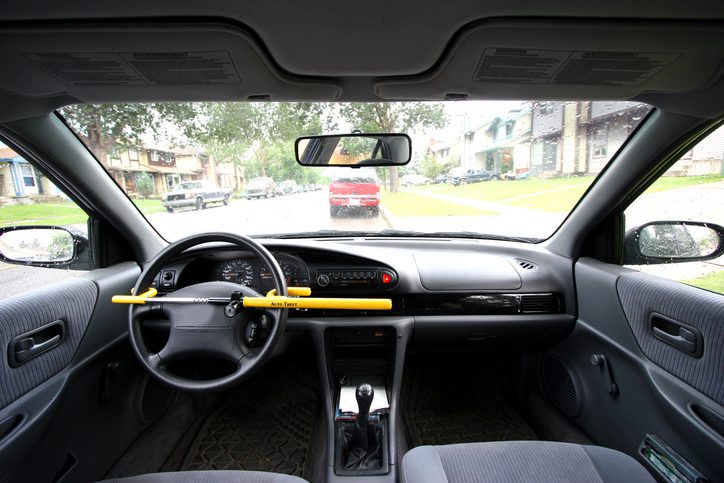
Steering wheel locks are one of the simplest yet most visible theft deterrents you can use. These heavy-duty metal bars attach across the steering wheel, preventing it from turning and making the vehicle extremely difficult to maneuver. Thieves typically look for quick, low-resistance opportunities; seeing a steering wheel lock instantly signals that stealing the vehicle will take more time and effort. While they don’t prevent break-ins or disable the engine, they do discourage thieves from selecting your vehicle in the first place. Steering wheel locks are affordable, easy to install, and particularly effective when layered with more advanced systems, offering both physical security and psychological deterrence.
Brake Pedal Locks
A brake pedal lock attaches to the brake pedal and sometimes the steering wheel or floor, physically preventing the pedal from being pressed. Without the ability to depress the brake, most vehicles cannot be shifted out of park or driven safely. Brake pedal locks are made of hardened steel, making them extremely difficult to cut or break without special tools. They are less common than steering wheel locks, which actually works to their advantage, many thieves are unfamiliar with how to bypass them, further slowing down or deterring a theft attempt. These locks are especially useful for larger vehicles or trucks that may be targeted for towing, as they prevent the vehicle from being properly maneuvered.
Wheel and Tire Locks
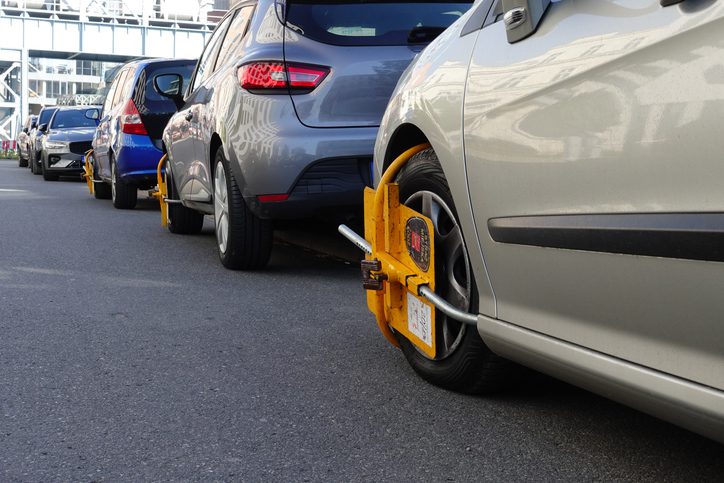
Wheel and tire locks, often referred to as “boot-style” locks, clamp securely around one of the vehicle’s wheels, making the car completely immobile. Even if thieves attempt to tow the vehicle, the wheel lock prevents the tire from turning, causing obvious resistance and drawing attention. These devices are frequently used by dealerships and long-term parkers because they offer maximum physical immobilization. They are also effective for preventing wheel and rim theft, which is common among high-value SUVs and performance vehicles. Heavy, highly visible, and difficult to remove without specialized tools, wheel and tire locks provide a strong deterrent and an extra layer of security when paired with electronic tracking or immobilizer systems.
These physical barriers force thieves to spend more time and effort, making them more likely to abandon the attempt and move on.
Choosing the Right Device for Your Vehicle
Your first step should always be checking with your insurance provider. Some carriers only recognize certain devices, and choosing an approved system can eliminate theft surcharges or earn discounts. For high-risk models, insurer-endorsed tools like KYCS or TAG offer the strongest protection and recovery support.
For vehicles not on the targeted list, aftermarket devices may provide sufficient protection. Steering wheel or brake pedal locks remain some of the simplest but most effective deterrents. The key to choosing the best anti theft devices for cars is combining visibility, technology, and insurer recognition whenever possible.
The Cost of Doing Nothing
Skipping anti-theft protection doesn’t just increase your risk of theft, it can dramatically increase your insurance costs. Depending on the insurer, drivers of high-risk vehicles in areas like the GTA could face annual surcharges ranging from $500 to $1,500 without an approved device.
Beyond the financial impact, theft brings emotional stress, time lost to administration and police reports, and potentially weeks without a vehicle. Many stolen vehicles are never recovered or are returned in damaged condition. Prevention is almost always more cost-effective than dealing with the aftermath.
How Installation Works
Insurance-approved devices must be professionally installed. Installers register your vehicle’s identification details, making real-time tracking or part identification possible if theft occurs. The process typically takes one to two hours. For visible deterrents like steering wheel locks, the installation is immediate and requires no professional setup.
Before installation, always confirm that your insurer recognizes the device so you can receive any applicable discounts or surcharge removals.
How Anti-Theft Devices Affect Premiums
Insurers reward proactive measures. Installing recognized anti-theft devices leads to reduced comprehensive premiums, the elimination of theft surcharges, or qualification for specific carrier discounts.
For many drivers, the savings over one or two years exceed the cost of installation. For example, eliminating a $1,000 surcharge from Aviva or a $1,500 surcharge from Economical can quickly justify investing in an approved device.
Insurers also interpret anti-theft installations as a sign of responsibility. Just like maintaining a clean driving record, taking steps to prevent theft positions you as a lower-risk policyholder.
Tips for Preventing Vehicle Theft
Technology is only part of protecting your vehicle. Everyday habits matter just as much.
Practical theft-prevention habits include:
● Parking in well-lit, visible areas
● Avoiding leaving keys or fobs inside the vehicle
● Using steering wheel or brake locks consistently
● Installing motion lights or cameras at home
● Keeping key fobs in signal-blocking pouches to prevent relay attacks
● Avoiding sharing vehicle details publicly
Layering prevention methods, both behavioural and technological, creates the strongest defence
How Duliban Insurance Can Help
Choosing the best anti theft devices for cars is only part of the solution. Understanding how your insurance provider views these devices is equally important. Duliban Insurance helps drivers identify approved systems, understand cost impacts, and navigate discounts or surcharge removals.
If your vehicle appears on a high-risk list or you’ve been notified of a theft surcharge, our team can guide you toward the right solutions. We work with multiple insurance partners and know exactly how each carrier evaluates theft risk and device effectiveness.
Vehicle theft is a growing challenge for Canadian drivers, but you’re not powerless. Installing anti-theft devices, combined with smart habits, significantly reduces your risk and protects your investment. The best anti theft devices for cars do more than deter thieves; they provide peace of mind, financial protection, and stronger insurance outcomes.
If you’re ready to take the next step, connect with Duliban Insurance through the contact form below. Our team will help you understand your options, identify approved devices, and find smart ways to reduce your premiums while keeping your vehicle safe.
Contact us
Get in touch
Submit your message below for a speedy response from our broker team.