


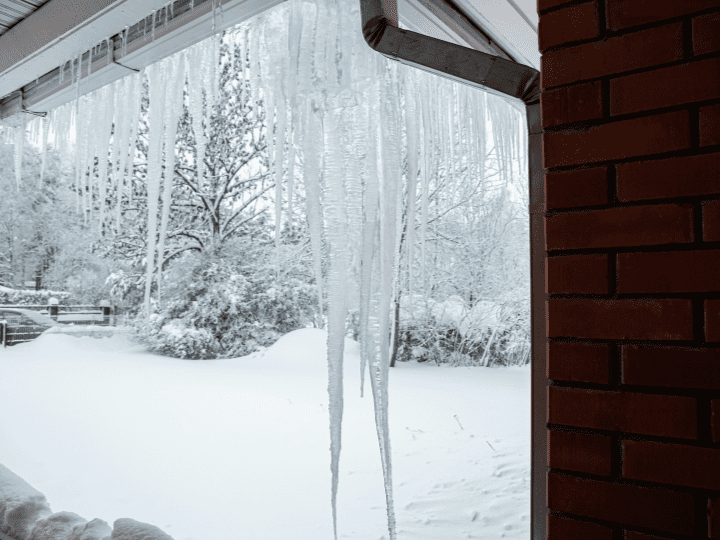
Water damage can strike unexpectedly- from burst pipes in a cold snap, to a leaky roof after heavy rain. Yet with a few simple, proactive habits, you can often avoid stress, expensive repairs, and the headache of dealing with insurance claims. Here are 9 ways to help safeguard your home against water damage year-round.
1) Inspect & Maintain Your Roof and Gutters
Start by regularly checking your roof, gutters, and downspouts. Clear out leaves, debris, and other blockages to make sure rainwater drains away from your home. Clogged gutters can cause water to pool and seep into siding or foundations. After storms, a quick visual check of shingles or flashing can reveal potential leaks before they become costly problems.
2) Check Windows, Doors & Seals
Water can sneak in through gaps around windows, doors, or basement eaves. As seasons change, inspect weather stripping, caulking, and seals around entry points. Replacing worn weather stripping and filling cracks around windows and doors can significantly reduce the risk of water intrusion.
3) Keep Your Basement & Crawlspaces Dry
Basements and crawlspaces are common entry points for water, especially during heavy rains or spring thaw. Make sure any sump pumps or drains are working properly. If your basement has windows near ground level, ensure that grading slopes away from the house so water runs away from the foundation, not toward it.
4) Winterize Pipes Before the Cold Hits
Freezing temperatures can cause pipes to burst. When winter approaches, drain and insulate exterior and attic pipes, shut off and drain outdoor taps, and consider leaving interior taps dripping slightly during severe cold snaps. These simple steps can prevent costly pipe bursts and major water damage inside your home.
5) Maintain Your Water Heater and Plumbing System
Your water heater, supply lines, and plumbing fixtures should be checked regularly. Look for signs of corrosion, leaks, or age-related wear. Replacing old supply hoses, tightening connections, or installing a pressure-reducing valve can help reduce the risk of sudden failures that might flood your home.
6) Watch for Signs of Damp & Act Fast
Unexplained dampness, musty smells, or minor leaks should never be ignored. These can be early warning signs of hidden water problems. If you notice water stains on ceilings or walls, or soggy areas in floors or basements, act quickly. The sooner a leak is found and repaired, the less damage and fewer complications for insurance or property value.
7) Ensure Proper Drainage Around Your Home
Make sure that downspouts direct water at least 3-4 feet away from the foundation, and that landscaping slopes downward from the house. Poor drainage can lead to water pooling near the foundation and eventually seeping into basements or adding moisture to crawlspaces.
8) Install and Maintain Water-Detection Devices
Water detectors or smart leak sensors that are placed near sump pumps, water heaters, washing machines, or basement walls offer an extra layer of protection. These devices alert you early if water begins to accumulate, often before damage is visible.
9) Keep Your Records & Know Your Policy Coverage
Document regular home maintenance and any repairs you make. Keeping photos or receipts can help support an insurance claim if water damage does occur. Review your homeowner’s insurance policy to understand what types of water damage are covered (for example, sudden pipe bursts vs. gradual seepage or flooding) so you don’t get caught off-guard.
_
Preventing water damage doesn’t require major renovations or constant effort. Often a few simple checks and smart maintenance habits are enough to keep your home safe. Staying proactive helps you avoid stress, saves money, and ensures your home remains the secure, comfortable space you expect it to be.
If you’re interested in reviewing your home insurance coverage to make sure it aligns with your home’s current condition or if you’d like to explore additional protection (water-backup, sump-pump failure, sewer backup, etc.), our team is always happy to help. Contact us today.