

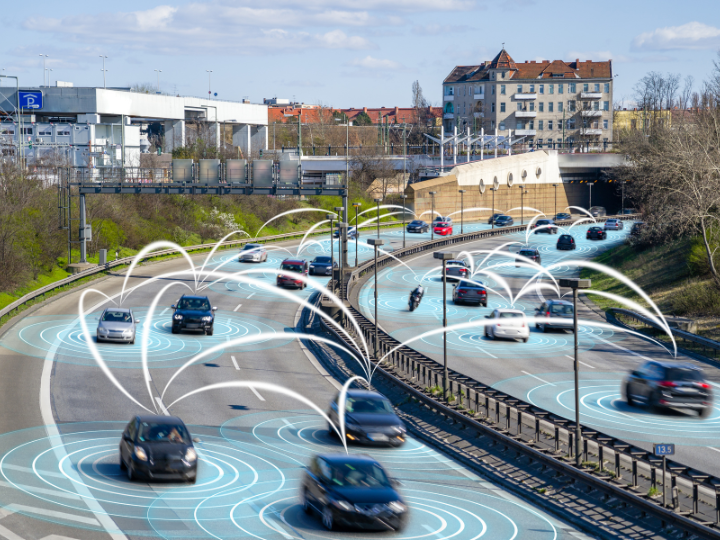
Self-driving cars aren’t just science fiction anymore – they’re on test roads across North America and steadily moving toward widespread adoption. Tech giants and automakers alike are investing billions into autonomous vehicle development, promising safer roads, fewer accidents, and a more convenient driving experience.
But with this new technology comes one pressing question: how will insurance adapt when humans aren’t fully in control behind the wheel?
The Shift in Liability
Right now, car insurance largely focuses on the driver. Rates are based on things like your age, driving history, and where you live. But in a world of self-driving cars, accidents may be less about human error and more about system malfunctions, software glitches, or even hacking attempts.
This raises new liability questions:
- If a crash happens, is the manufacturer responsible?
- Does the burden shift to the software developer?
- Or do drivers still need to carry personal coverage, even when the car is in control?
Legal experts suggest we may see a shift toward product liability claims against automakers or tech companies, instead of traditional claims against individual drivers.
What Insurance Could Look Like
Insurers are already preparing for this change. Policies may evolve in a few key ways:
1. Hybrid Coverage Models – For years vehicles will likely operate in semi-autonomous modes, meaning drivers will share responsibility with the car. Insurance may blend personal liability with manufacturer-backed coverage.
2. Manufacturer-Supported Policies – Automakers could partner with insurers (or act as insurers themselves) to cover accidents caused by their technology.
3. Usage-Based Premiums – With advanced vehicle data tracking, insurers may calculate rates based on how much and how often a human actually drives, compared to when the car drives itself.
The Human Factor Won’t Disappear Overnight
Even as autonomous technology improves, it’s unlikely we’ll see a sudden switch to fully driverless roads. For the foreseeable future, drivers will need to remain attentive and able to take over if necessary. That means traditional insurance isn’t going anywhere just yet.
Young drivers, high-risk drivers, and people with spotty records may still face higher premiums until the transition fully shifts liability away from human behavior.
Cybersecurity and New Risks
Another factor shaping insurance in a self-driving world is cybersecurity. Unlike traditional cars, autonomous vehicles rely heavily on connectivity – making them vulnerable to hacks and data breaches. If a hacker takes control of a vehicle or disrupts traffic systems, insurers will need to address an entirely new category of risk.
Expect policies to include cybersecurity protections alongside traditional coverage, especially as cars become more like rolling computers than mechanical machines.
What This Means for Today’s Drivers
While self-driving cars are still years away from dominating the roads, insurers, lawmakers, and manufacturers are actively preparing for the shift. For drivers, the key takeaway is that insurance will evolve alongside the technology – ensuring protection remains in place whether humans, machines, or a mix of both are behind the wheel.
_
If you’re curious about how advancements like autonomous vehicles may impact your auto coverage in the coming years, our team is here to guide you. We’ll help you stay protected today while keeping an eye on the future. Contact us today to learn more.