

What to Do After a Flood to Protect Your Home and Insurance Claim
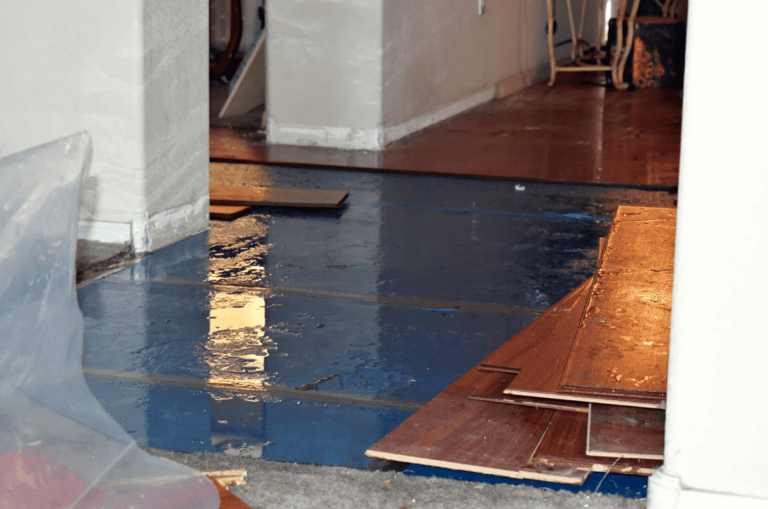
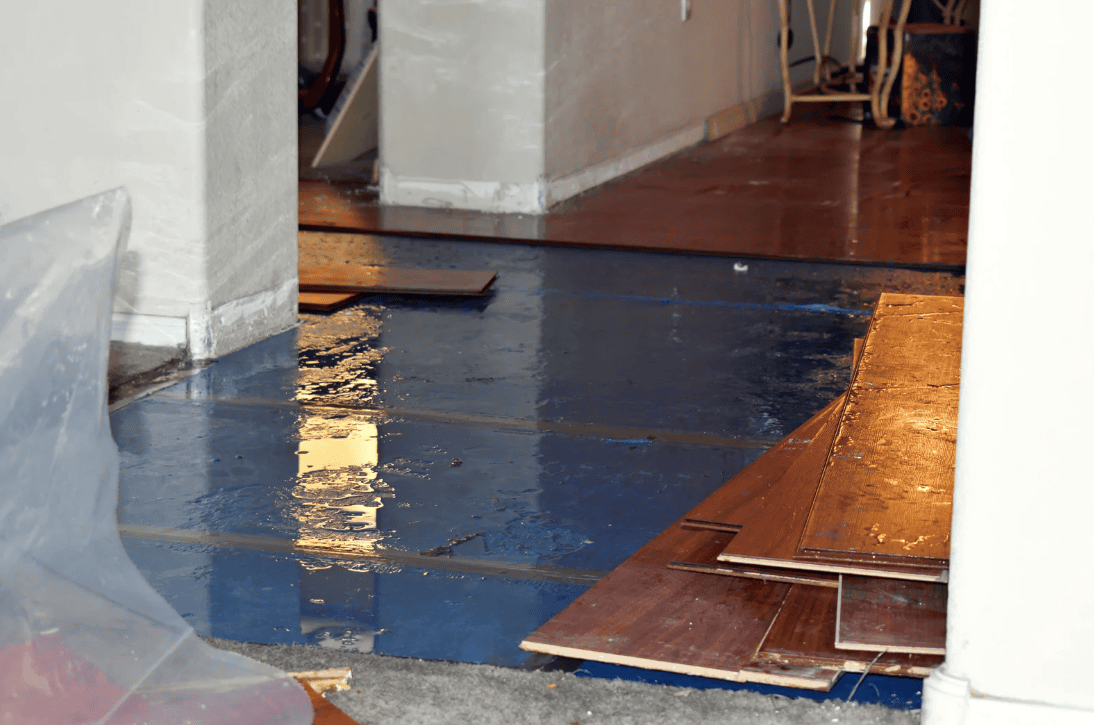
Recent heavy rainfall across Niagara has left many homeowners dealing with flooded basements, water damage, and the overwhelming task of cleaning up. While the immediate priority is keeping your family safe, taking the right steps after a flood can also help reduce further damage and support a smoother insurance claims process.
At Duliban Insurance Brokers, we know how stressful these situations can be. Our team is here to help guide you through the recovery process and answer any questions you have about your insurance coverage.
1. Put Safety First
If you’re unsure whether your home is safe to enter, wait until emergency officials or utility providers have confirmed it is safe.
- Never enter if electrical hazards are present
- If it is safe to do so, turn off electricity and gas at the main source
- Hire a professional electrician and gas fitter to inspect wiring and gas lines to ensure they are all safe
- Wear waterproof boots, gloves, and protective clothing whenever
- Avoid contact with floodwater, as it may contain sewage, chemicals, or other contaminants
2. Contact Your Insurance Broker Immediately
If your home has experienced water damage, notify your insurance broker or insurance company as soon as possible. The sooner your claim is reported, the sooner the recovery process can begin. Your broker can help:
- Review your coverage
- Explain your deductible
- Start the claims process
- Connect you with approved restoration professionals if applicable
3. Document Everything
Before beginning cleanup, thoroughly document the damage. Keep receipts for emergency purchases such as pumps, fans, cleaning supplies, or temporary accommodations if required. Good documentation can make the claims process much easier. Because time is of the essence and to keep yourself protected, it is important to take:
- Photos of every affected room
- Videos showing the extent of the flooding
- Close-up photos of damaged belongings
- Notes listing damaged furniture, electronics, appliances, and personal property
4. Remove Standing Water Quickly
Standing water can cause significant structural damage in a short amount of time. The faster moisture is removed, the lower the chance of mold growth. If it is safe to do so:
- Use pumps or wet vacuums to remove water
- Open windows if weather permits
- Use fans and dehumidifiers to begin drying the space
5. Remove Wet Materials
Some building materials absorb water quickly and may need to be removed. Professional restoration companies can determine what can be salvaged and what should be replaced. Examples of what may have to be removed, depending on the level of damage, include:
- Wet carpeting and underpadding
- Damaged drywall
- Ceiling tiles
- Insulation
- Water-damaged furniture that cannot be properly dried
6. Prevent Mold Growth
Mold can begin developing within 24 to 48 hours after water exposure; however, if mold has already developed, professional remediation may be necessary. To reduce the risk:
- Dry affected areas as quickly as possible
- Remove porous materials that cannot be dried
- Clean hard surfaces using appropriate disinfectants
- Continue using fans and dehumidifiers until moisture levels return to normal
7. Do Not Throw Everything Away
While some belongings may be beyond repair, avoid disposing of damaged items until your insurance adjuster has advised you to do so. If items must be discarded for health reasons, photograph them first and keep a record of what was removed.
8. Be Careful of Scams
Unfortunately, severe weather events often attract fraudulent contractors. If your insurer recommends restoration vendors, those companies have typically been vetted. However, if you are searching for someone on your own, it is important to:
- Verify they are licensed and insured
- Ask for references
- Get a written estimate
- Avoid paying large deposits upfront
- Be cautious of contractors who arrive unsolicited after a storm
9. Stay Informed About Local Cleanup Programs
Following major flooding events, municipalities often provide enhanced waste collection or special disposal programs for flood-damaged materials, flood-related reporting details, and other important information:
- Bulk waste pickup
- Hazardous waste disposal
- Flood recovery resources
- Financial assistance programs, if available
Watch your municipality’s website and local news for updates:
How to Help Prevent Future Water Damage
While no one can prevent every flood, there are ways to reduce the risk of future water damage. Here are just a few ideas to consider
- Cleaning eavestroughs and downspouts regularly
- Extending downspouts away from your home’s foundation
- Installing a sump pump with battery backup
- Having a backwater valve installed
- Grading landscaping so water flows away from your home
- Sealing foundation cracks
- Scheduling regular plumbing inspections
- Purchasing a generator in case of a power outage
These improvements may help minimize damage during future storms.
Does Your Insurance Cover Flood Damage?
Water coverage varies depending on your policy. Coverage can differ based on the source of the water, such as:
- Sewer backup
- Overland flooding
- Groundwater
- Burst pipes
- Water escape from appliances
Not every homeowner automatically has every type of water coverage, making it important to review your policy before severe weather occurs.
At Duliban Insurance Brokers, we work with over 25 trusted insurance providers to help find coverage that fits your needs and explain your options before you need to make a claim.
We’re Here When You Need Us Most
Recovering from flooding can feel overwhelming, but you don’t have to navigate it alone. We’re proud to be part of a community that comes together during challenging times.
Whether you need help understanding your coverage, starting a claim, or reviewing your homeowner policy after the cleanup is complete, the team at Duliban Insurance Brokers is here to support you every step of the way.
If your home has been affected by recent flooding or you’d like to review your water damage coverage, contact Duliban Insurance Brokers today. We’re proud to serve families and businesses across Niagara, Hamilton, Haldimand, and all across Ontario.