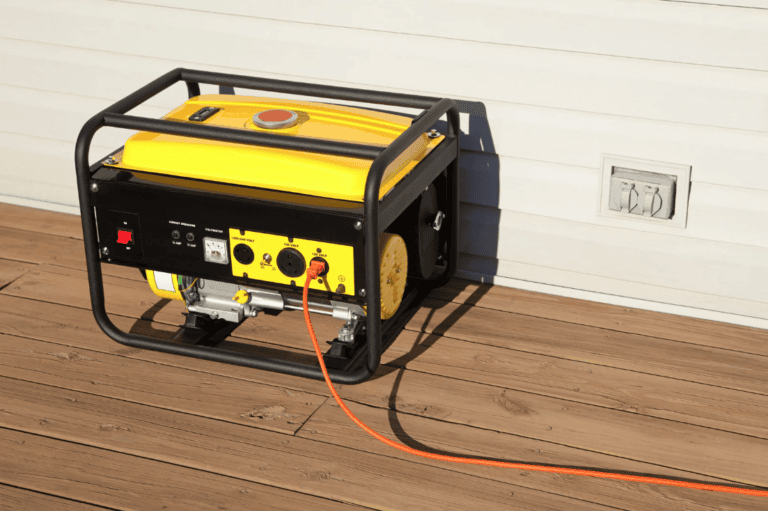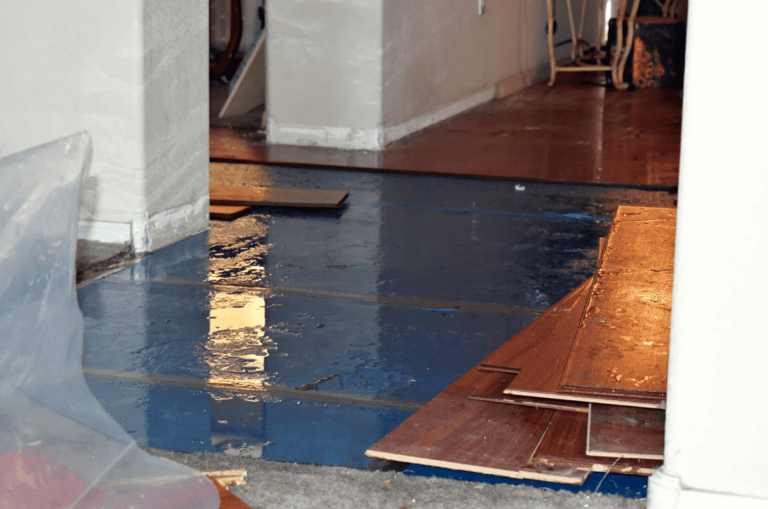
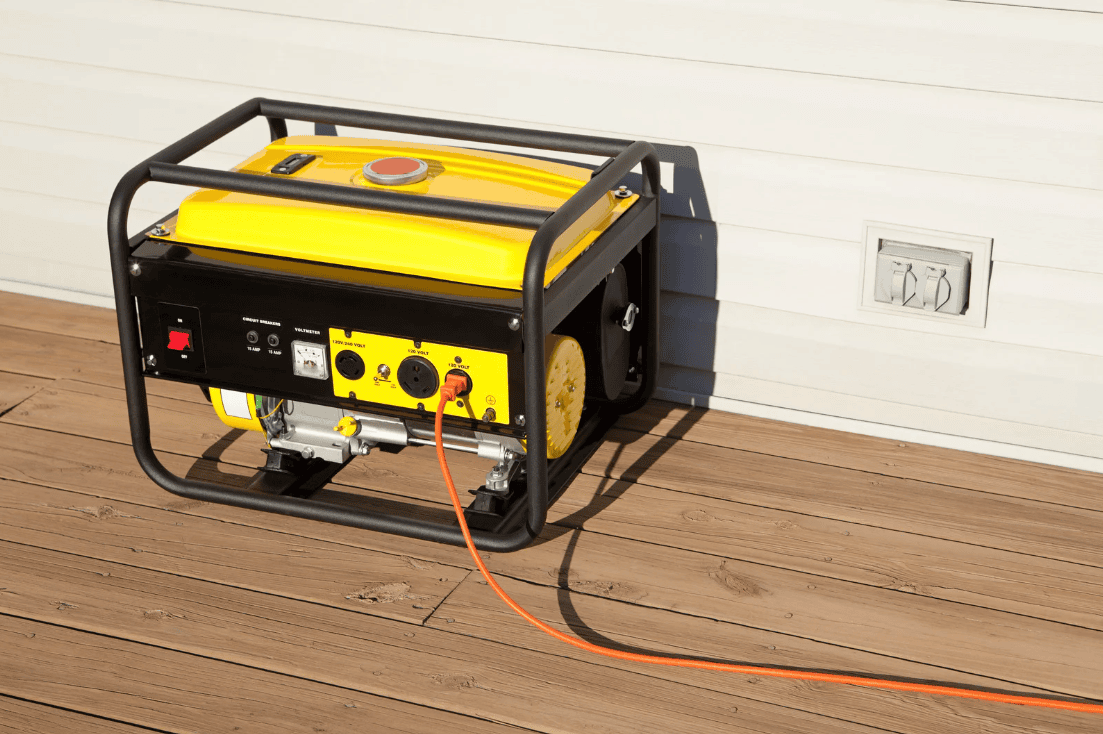
Over the past few months, we have experienced more power outages lasting countless hours. Whether they are caused by a severe storm, high winds, ice accumulation, or equipment failures, losing electricity can lead to spoiled food, flooded basements, frozen pipes, and other expensive damage. That is why many homeowners are turning to portable generators to keep essential appliances running until power is restored.
However, using a portable generator incorrectly can create serious safety risks, so it is important to know how to use one safely.
Why Consider a Portable Generator?
A portable generator can provide temporary power to essential household items during an outage, including:
- Refrigerators and freezers
- Sump pumps
- Heating systems and furnaces
- Well pumps
- Medical equipment
- Lights and phone chargers
- Having backup power can reduce disruption and help prevent property damage, especially during extended outages.
Generator Safety Tips
Before using a portable generator, follow these important safety guidelines:
Never Operate Indoors
Portable generators produce carbon monoxide (CO), an invisible, odorless gas that can be deadly. Always place your generator outdoors, at least 20 feet (6 metres) from your home, garage, doors, windows, and vents.
Keep It Dry
Operate your generator on a dry, level surface. Protect it from rain and snow using a manufacturer-approved cover or canopy that allows proper ventilation.
Never Plug Directly Into Your Home’s Electrical System
Plugging a generator directly into a wall outlet—known as “backfeeding”—can seriously injure utility workers, damage your home’s electrical system, and create a fire hazard.
Instead, use:
- Heavy-duty extension cords rated for outdoor use, or
- A professionally installed transfer switch that safely connects your generator to your home’s electrical panel.
Allow the Generator to Cool Before Refueling
Gasoline spilled on a hot engine can ignite quickly. Always turn the generator off and allow it to cool before adding fuel.
Install Carbon Monoxide Alarms
Every home should have working carbon monoxide detectors on each level, especially near sleeping areas. Test them regularly and replace batteries as recommended.
Preparing Before the Next Power Outage
A little preparation can go a long way. Consider creating an emergency kit that includes:
- Flashlights and extra batteries
- Bottled water and non-perishable food
- First aid supplies
- Portable phone chargers
- Blankets
- Battery-powered radio
- Extra fuel stored safely in approved containers
Some of the most popular brands of generators are: Honda, Generac, Champion, Westinghouse, and Firman. It’s important to perform regular maintenance and test your generator periodically so it’s ready when you need it most.
Need Help Reviewing Your Coverage?
Power outages are unpredictable, but understanding your insurance coverage doesn’t have to be.
If you’re unsure whether your homeowner’s policy includes protection for food spoilage, sump pump failures, sewer backup, or other power outage-related losses, speak with your Duliban Insurance broker. A quick policy review can help ensure you have the right coverage before the next storm arrives.
Being prepared today can help you avoid unexpected expenses tomorrow.