
After experiencing flooding in your home, reporting your insurance claim is an important first step. But what happens while you’re waiting for your insurance adjuster to contact you or assess the damage?
The days immediately following a flood can be stressful, but there are several things you can do to protect your home, document the damage, and prepare for the claims process.
1. Put Safety First
Think before you enter or move around flooded and previously flooded areas. Floods can present many hazardous conditions that may include electricity, contaminated water, damaged or broken structures, and slippery surfaces. People should not expose themselves to dangerous conditions due to concern for electric, structural damage, gas lines, contamination, or safety issues. Follow the recommendations of safety professionals. Once the water is removed, the next biggest safety hazard is mold. A professional can determine whether you have a mold issue and help with the safe removal and restoration of the space. At the end of the day, your safety is of utmost importance.
2. Protect Yourself and Your Property
Homeowners are generally held to a standard of ensuring that appropriate measures are taken to avoid further damage to their property. If protective measures to avoid further damage are warranted, be sure to document the work done and costs incurred. This is on a case-by-case basis and may include
- Removal of water
- Relocation of belongings to unaffected locations
- Covering breaks in structure to avoid further water entry
- Arranging emergency service for drying or restoration
3. Protect the Evidence
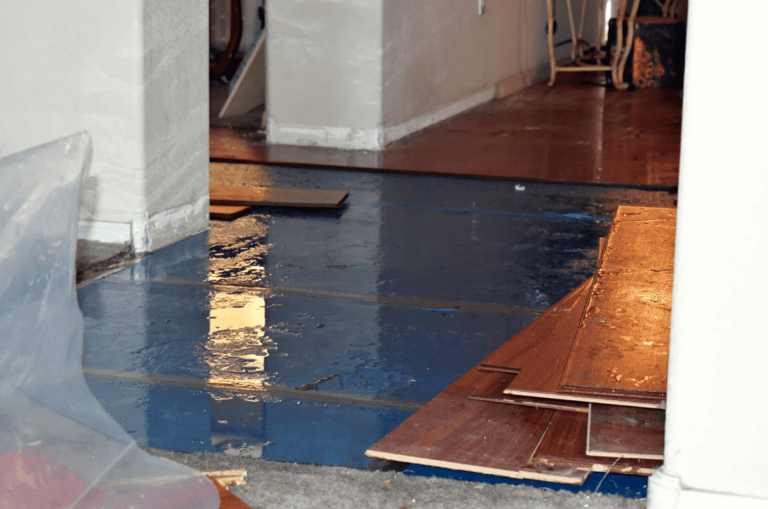
Pictures and videos of all damage, before restoration, should be taken to help in the insurance claim process. Close-up photos and pictures documenting the whole area are important. And remember, there is no such thing as too many pictures – take as many as you need to document the losses.
Take photos and videos of:
- Each affected room
- Floors, walls, and ceilings
- Furniture
- Appliances, including water heater and furnace
- Electronics
- Personal belongings
- Cabinets and built-ins
- Visible water damage
- The source or point of water entry, if known
4. Make a List of Damaged Belongings
Start creating an inventory of damaged or destroyed personal belongings. For each item, record whatever information you know, such as:
- Item description
- Brand and model
- Approximate age
- Original purchase price
- Estimated replacement cost
- Where it was located
- Whether you have a receipt or photograph
Don’t panic if you can’t find receipts for everything. Look through old photos, emails, online purchase histories, credit card statements or other records that may help establish ownership. Also noting whether appliances such as water heaters and furnaces are owned or rented is extremely important. If rented, be very cautious when speaking with the company to determine who is responsible for replacement, costs, etc.
5. Don’t Throw Everything Away
After a flood, it’s natural to want to clean everything out as quickly as possible. However, don’t automatically throw away damaged belongings before they have been documented. Photograph and record damaged items first and, when possible, check with your claims professional before disposing of them. There are exceptions where damaged materials may pose a health or safety risk and need to be removed promptly. If that happens, document the items and removal as thoroughly as possible and follow the advice of qualified restoration professionals.
6. Keep Every Receipt
Flood recovery can result in unexpected expenses. Start a dedicated folder, both electronically and hard copy, for receipts related to the loss. Whether an expense is covered depends on your specific policy and circumstances, so keep the documentation and discuss eligible expenses with your claims professional. Typical expenses you should be recording include:
- Emergency supplies
- Restoration and mitigation
- Temporary accommodation
- Storage
- Cleaning
- Transportation
- Other additional expenses resulting from the loss
7. Keep a Record of Communication
Flood claims can involve conversations with several different people.
Keep track of:
- Who you spoke with
- Their contact information
- The date of the conversation
- What was discussed
- Any next steps they provided
Save emails, letters, estimates and other documentation related to your claim.
A simple notes document on your phone can make this much easier.
8. Don’t Start Major Repairs Yet
It’s understandable to want to get your home back to normal as quickly as possible; however, avoid beginning major and permanent repairs and full renovations before the damage has been properly assessed, and you’ve discussed the next steps with your insurer or claims professional. It is important to understand the difference between emergency mitigation, which is there to prevent further damage, and permanent repairs. If you are unsure, always ask and get the answer in writing.
9. Start Thinking About Temporary Housing
If your home is not safe or suitable to live in, contact your claims professional to determine whether your policy provides coverage for temporary accommodation or other additional living expenses. Keep receipts for expenses you incur due to being unable to live in your home. Don’t assume that every expense will automatically be covered. Your policy limits and coverage conditions will determine what is eligible.
10. Be Patient With the Process
Following a major flood event, much like what Niagara experienced, insurance companies, adjusters, restoration companies, and contractors may all be handling an unusually high volume of claims. That can mean longer wait times for inspections, estimates, restoration work, and repairs. While waiting can be frustrating, use the time to organize your documentation and make sure you have a clear record of the damage.
A Simple Flood Claim Checklist
While you’re waiting for your adjuster:
- Put your family’s safety first
- Take photos and videos of the damage
- Prevent further damage where it is safe to do so
- Document damaged belongings
- Keep receipts and invoices
- Keep records of conversations and correspondence
- Avoid disposing of damaged items without documenting them
- Avoid major permanent repairs until you’ve discussed them with your claims professional
- Ask about temporary accommodation if your home is uninhabitable
- Keep all claim-related documents together
We’re Here to Help
Flood recovery doesn’t happen overnight. If you’ve recently experienced flooding, it’s understandable to have questions about what happens next. Your insurance policy is unique to your circumstances, so coverage can vary depending on the cause of the loss, the coverages and endorsements included in your policy, and the specific circumstances of the damage.
If you’re a Duliban Insurance Brokers client and have questions about your coverage or the claims process, our team is here to help you navigate the process and connect you with the appropriate claims resources.
Duliban Insurance Brokers — helping you through the unexpected, when you need us most.