


Article Overview:
As vehicle theft continues to rise across Canada, many drivers are seeing unexpected increases in their auto insurance premiums due to theft surcharges. These charges are applied when insurers identify a higher risk of theft for certain vehicles, regions, or security conditions. Understanding theft surcharge insurance is essential for managing your costs, knowing why surcharges exist, and learning how insurance still protects you even if your vehicle is considered high risk. This article breaks down how surcharges work, how insurers calculate them, what you can do to reduce or eliminate them, and why staying informed helps you avoid surprises at renewal time.
Table of Contents
Vehicle theft in Canada has risen sharply, and the insurance industry has responded by applying theft surcharges to vehicles that are statistically more likely to be stolen. These surcharges are added to your premium when your insurer identifies elevated theft risk, whether due to your vehicle model, your region, or whether your vehicle has the proper protection installed. Understanding theft surcharge insurance is essential for drivers across Ontario, because it affects both what you pay and how your policy responds in the event of a loss.
Why Theft Surcharges Exist
The purpose of a theft surcharge is straightforward, but the reasoning behind it is rooted in the real challenges insurers face as auto theft becomes more frequent and more sophisticated across Canada. Organized theft groups now use advanced technology to steal vehicles in seconds, often without leaving visible signs of forced entry. Many stolen vehicles are quickly loaded into containers and shipped overseas, making recovery extremely difficult. When a car disappears overnight or is permanently exported, the full financial burden of that loss falls on the insurer, who must compensate the driver based on the vehicle’s actual cash value. As theft numbers continue to climb, insurers face an increasing volume of high-cost claims that directly impact the stability of their pricing models.
To balance this growing risk, insurers apply theft surcharges to vehicles that data shows are most frequently targeted. These surcharges help offset the financial strain caused by recurring theft claims, ensuring that insurance pools remain sustainable for all drivers. Importantly, surcharges are not designed as punishments. They are risk adjustments grounded in statistical evidence, reflecting the probability that certain vehicles are more likely to generate a significant loss. Many insurers also provide opportunities to reduce or eliminate these surcharges by installing approved anti-theft devices or meeting specific security conditions. This approach encourages drivers to take proactive steps in protecting their vehicles while helping insurers maintain fair, accurate pricing based on evolving theft trends.
How Insurers Determine Which Vehicles Receive Surcharges
Different insurers use different high-risk vehicle lists, but many of the models that receive theft surcharges fall into popular categories such as SUVs, pickup trucks, and higher-end vehicles. Because the likelihood of theft varies by region and vehicle type, each insurer has its own surcharge structure. Some apply a flat fee across all territories, others use tiered systems based on the level of anti-theft protection installed, and some waive the surcharge entirely when a driver uses an approved device. These differences make it essential to understand how your specific insurer handles theft risk and to work with an advisor who can identify the most cost-effective options for your situation.
● Commonwell: $500
● Intact / Jevco: $500
● Travellers: No surcharge
● Economical: $1,500 in the GTA and Ottawa; $500 in all other regions
● Gore Mutual: $500
● CAA & Echelon: Tier 1 – $0, Tier 2 – $750, Tier 3 – $1,000, None – $1,500
● Aviva: $1,000
● Heartland: $1,500 in the GTA; $750 in all other regions
Understanding these surcharge differences is crucial because the insurer you choose can dramatically affect what you pay, sometimes by hundreds or even thousands of dollars per year. Two drivers with the same vehicle and driving history can face very different premiums depending on how their insurer classifies theft risk and what options they offer for reducing or removing surcharges. By comparing these structures and working with an advisor who understands the nuances of each company’s approach, you can make informed decisions that keep your coverage affordable while ensuring your vehicle remains fully protected.

How Theft Surcharges Affect Your Premiums
Theft surcharges can significantly affect what you pay for insurance, sometimes becoming one of the biggest drivers of your total premium, especially if you own a vehicle on a high-risk list. Unlike minor claims such as windshield repairs or small fender benders, vehicle theft is a major loss event. When a stolen vehicle is not recovered, the insurer is responsible for paying out the full actual cash value of the car, which can range anywhere from $20,000 to well over $80,000 depending on the model. With theft rates rising across Canada, insurers are seeing more of these high-value payouts each year, forcing them to adjust premiums to keep coverage sustainable. This is where the theft surcharge comes in: it is designed to reflect the increased likelihood that a high-risk vehicle may generate a costly claim.
Even when a stolen vehicle is recovered, the financial impact remains substantial. Many recovered vehicles show signs of forced entry, ignition tampering, damaged wiring, or stripped parts. Repairing this damage often costs thousands of dollars. There are also added expenses like reprogramming keys, replacing fobs, towing the vehicle from where it is found, and addressing interior damage caused during the theft. These costs quickly add up, and insurers must account for them when pricing policies. A theft surcharge helps offset this financial pressure by distributing the risk more fairly, drivers who own high-risk vehicles, or who have not installed approved anti-theft devices, pay a higher share of the cost associated with these frequent and expensive losses.
How Insurance Protects You if Theft Happens
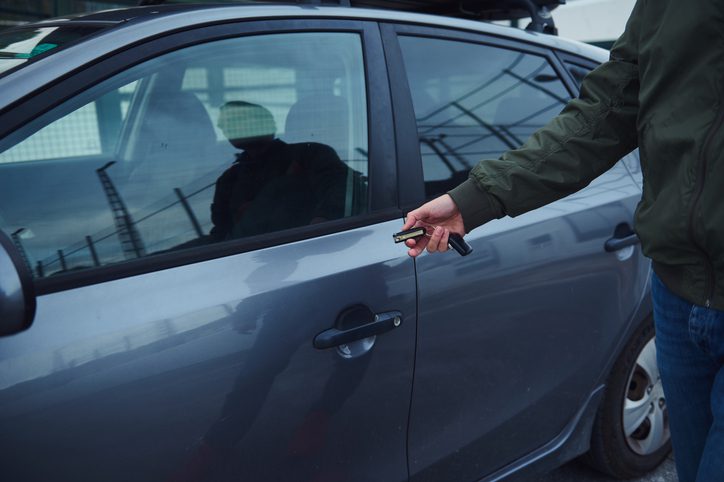
While anti-theft devices can help reduce or remove a surcharge, the core purpose of theft surcharge insurance is to ensure that your vehicle remains fully protected even when it falls into a high-risk category. A surcharge does not limit your coverage or reduce your eligibility for a claim; it simply adjusts your premium to reflect higher statistical risk. Your comprehensive coverage remains active and unchanged. This means that even if your insurer identifies your vehicle as more theft-prone, you still receive the same protection as any other driver. Comprehensive insurance steps in if your car is stolen, damaged during a theft attempt, or vandalized, giving you financial security in situations that can otherwise be stressful and costly.
If a theft occurs, your policy reimburses you for the actual cash value of your vehicle, minus your deductible. This is especially important because many high-risk vehicles have strong resale value, making them attractive targets for organized crime. Without proper insurance protection, replacing a stolen vehicle out-of-pocket could be financially overwhelming. Your coverage also applies to damage caused by thieves, whether they force entry into the vehicle, break windows, tamper with the ignition, or damage body panels while attempting to steal the car. In many cases, insurers also cover expenses such as key replacement, fob reprogramming, or repairing damaged locks, all of which can add up quickly.
Beyond financial reimbursement, insurance provides step-by-step support throughout the entire claims process. This includes guidance on reporting the theft to police, supplying the necessary documentation, and communicating with recovery agencies. Insurers understand that theft is disruptive and stressful, so part of their role is to manage the procedural details and help you navigate requirements efficiently. They also monitor the status of the vehicle in the days following the theft, as many stolen cars are either abandoned, recovered by law enforcement, or located through tracking systems during the investigation period.
If your vehicle is recovered, your insurer assesses the damage and coordinates repairs with trusted repair facilities. If the car is found in poor condition or deemed a total loss, they will settle the claim accordingly. If it is not recovered after a designated period—usually a set number of days determined by provincial regulations—your insurer will issue payment based on the vehicle’s market value at the time of the loss. This ensures that, even in a worst-case scenario, you have the financial resources to replace your vehicle and get back on the road. Theft surcharge insurance is ultimately about maintaining robust protection, no matter how theft trends evolve in your area.
How to Reduce or Remove a Theft Surcharge
Installing an insurer-recognized anti-theft device is one of the most effective ways to lower or eliminate a theft surcharge. These devices are approved because they have demonstrated strong recovery rates and proven deterrence. Once installed, they significantly reduce the likelihood of your vehicle being stolen or permanently lost. Insurers reward this reduced risk by adjusting your premium, often removing the surcharge completely. The key is choosing a device that your insurer specifically recognizes, as not all systems qualify for surcharge relief.
After installation, insurers typically require proof before updating your policy. This may involve submitting an installation certificate, photos, or official documents from the installer. Providing this information promptly ensures that the surcharge can be removed as soon as possible. Many carriers will rerate your policy mid-term, meaning you don’t need to wait until renewal to benefit from the reduction. By staying organized and supplying the necessary documentation quickly, you maximize your opportunity for savings.
Beyond approved devices, drivers can also reduce theft risk through practical, everyday habits. Parking in secure, well-lit areas, using home surveillance systems, and avoiding long periods where your vehicle is left unattended all contribute to lowering the chance of theft. These risk-reduction strategies signal to insurers, and thieves, that your vehicle is less vulnerable. While these actions may not always lead to surcharge removal, they enhance your overall safety and protect your vehicle from opportunistic theft.
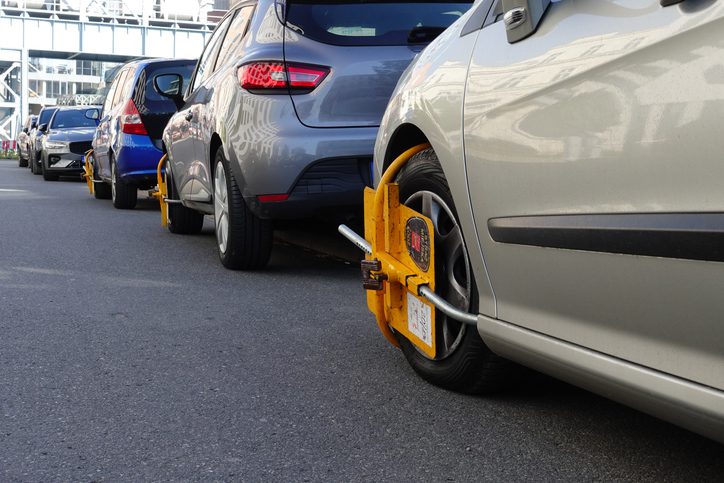
Layering multiple deterrents can also make a significant difference. Physical barriers such as steering wheel locks, brake pedal locks, wheel locks, and secure storage practices help slow down or discourage thieves. Using a signal-blocking pouch for your key fob prevents criminals from copying or boosting your key’s signal, a common method used in relay attacks. The more effort you put into protecting your vehicle, the more control you have over your long-term insurance costs. Proactive drivers not only reduce their risk but also demonstrate responsibility, which insurers value highly when determining premiums.
Why Understanding Theft Surcharge Insurance Matters
Even if your vehicle isn’t currently listed as high risk, theft surcharges still matter because insurer lists are always evolving. Auto theft trends can shift quickly based on organized crime activity, export demand, new technology vulnerabilities, and even changes in vehicle design. A model that appears safe and low-risk today may suddenly rise to the top of theft reports in the coming year, triggering new surcharges from multiple insurers. Many drivers are caught off guard when a previously affordable vehicle becomes significantly more expensive to insure simply because it has become a frequent target in their region. Staying aware of how these trends develop helps drivers avoid being surprised by sudden premium increases.
By understanding how theft surcharge insurance works, drivers can plan their coverage proactively rather than reactively. This knowledge helps you anticipate potential premium shifts, choose models less likely to be impacted in the future, and budget more accurately when renewing or shopping for insurance. It also allows you to make informed decisions such as installing an approved anti-theft device early, selecting the right insurer based on how they handle surcharges, or adjusting coverage before a new listing takes effect. Ultimately, being informed empowers drivers to manage costs more strategically and avoid unexpected financial strain when theft patterns change.
How Duliban Insurance Helps You Navigate Surcharges
Theft surcharge insurance can be confusing, especially with different insurers applying different rules, tier systems, and device requirements. Duliban Insurance helps drivers identify whether their vehicle is listed as high-risk, understand what surcharge applies, and navigate the steps required to reduce or remove it. Our team works with multiple insurers, ensuring you receive the best possible coverage at the most reasonable cost.
Theft surcharges are becoming increasingly common as vehicle theft continues to rise across Canada, but drivers are not powerless. By understanding how these surcharges work, recognizing what insurers require, and taking proactive steps to reduce risk, you can protect your vehicle and avoid unnecessary costs. If you’d like help reviewing your policy, determining whether your vehicle is on a surcharge list, or identifying ways to lower your premium, connect with Duliban Insurance through the contact form below. We’re here to help you stay protected and prepared.
Contact us
Get in touch
Submit your message below for a speedy response from our broker team.